


If you’ve just had composite bonding, your main concern might be can you eat afterwards? The short answer is yes, but knowing what to eat and which foods to avoid after composite bonding is important to protect your new smile. In the first 24-48 hours, it’s best to stick to a diet of soft foods and avoid anything that could stain the bonding material.
For long-term care, try to avoid biting on hard or chewy items using the treated tooth to protect it from damage. With these simple precautions, you can still enjoy meals and maintain healthy nutrition.
But what food and drinks exactly can you have after dental bonding?
Ideal food choices
- Soft foods
Get your energy source from soft carbs such as mashed potatoes and pasta. You can also make your meals heftier with scrambled eggs or steamed vegetables. Enjoy dessert with yoghurt and soft fruits, such as bananas.
- Clear/low-staining drinks
Your beverage choice should have lots of clear options, with water being the best choice because it won’t stain the composite material and your teeth. Avoid heavy consumption of dark liquids such as coffee or tea, or use a straw to prevent direct contact with your teeth.
- Soft protein
For your protein intake, eat steamed or poached fish that’s not hard to chew on. You can still enjoy red meat, but it’s best to have it slow-cooked so it’s gentler on the treated tooth.
To protect the resin material from damage, there are food items that you should avoid immediately after the treatment and in the long term.
Foods to avoid after composite bonding
- Acidic food and drinks
Fruits such as oranges, lemons, and pineapples (and their juices) have high acidity that can cause erosion of the bonding material. Soft drinks and liquor are also highly acidic and can abrade the restoration, especially when consumed regularly.
- Hard food items
Biting or chewing crusty bread, apples, and other hard foods can weaken the bonding material and may even break it. You can opt for softer versions of these items or cut them into smaller pieces to make them more manageable.
- Sticky food
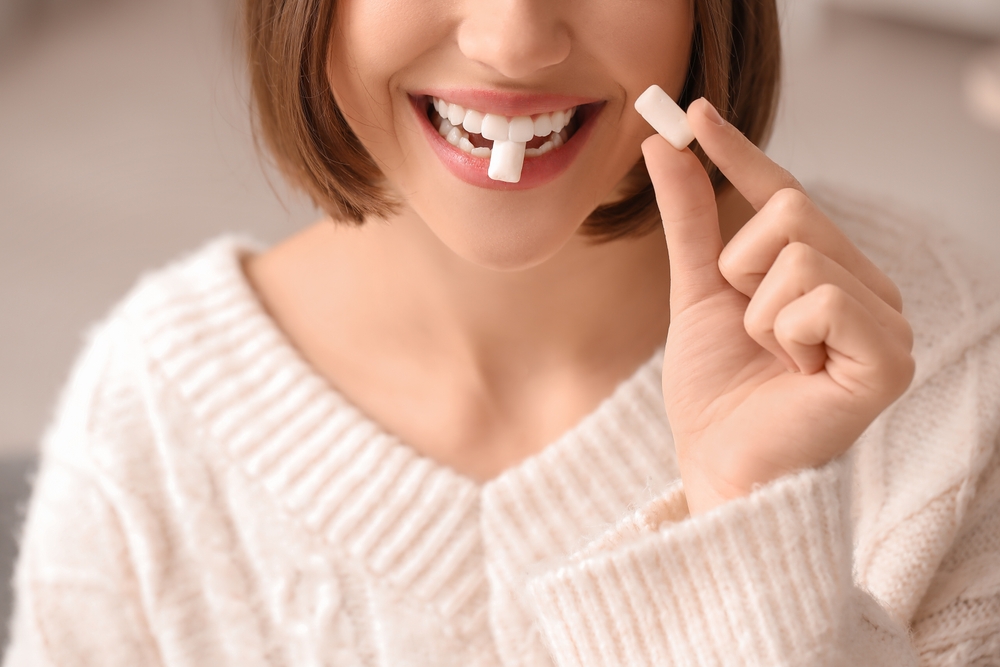
Toffee, sticky candies, caramel, and chewing gum should be avoided because they can damage the composite material.
- Dark-coloured drinks and condiments
Coffee and black tea can stain teeth and composite, so it’s best to limit their regular consumption if you want your smile to stay bright. The same idea applies to condiments such as soy sauce, ketchup, and mustard, all of which are loaded with food colouring that can cause staining.
- Nuts and seeds
It’s best to avoid hard nuts such as almonds, walnuts, and hazelnuts because biting or chewing them can fracture the restoration.
Conclusion
So, can you eat after composite bonding? Yes, you can! Take better care of your bonded tooth by making wise food choices. By sticking to soft, light-coloured food and drinks, you’ll help protect the restoration right after the procedure and in the long run. Meanwhile, you can enjoy the good function and appearance of the composite for longer by steering clear of hard, chewy, and staining items.
Are you looking for composite bonding in Preston? Contact us now and start the journey towards a beautiful smile.
FAQs
1. Why do I need to be careful of what I eat for the first 24-48 hours?
The resin is still settling during this time and isn’t fully strong yet. This is why it’s best to choose foods that won’t damage the composite.
2. Are fruits ok to eat?
Yes, but avoid biting on the hard ones directly, and limit your consumption of acidic options.
3. How can I eat hard items?
Cut them into smaller pieces, so they become easier to chew.
4. Do I need to clean the treated tooth?
Yes, brush and clean it regularly for protection against decay and to maintain its healthy appearance.
5. Why do I need to use a straw for coffee, soda, and tea?
It stops direct contact between the acidic, staining drinks and the tooth, protecting the resin from darkening and erosion.
6. How can sticky food damage the resin?
They can pull on the restoration, weakening its bond with the tooth or causing it to break.
7. Does smoking harm the bonded tooth?
Yes, and it can cause staining that makes the tooth look dark and unhealthy.
8. Aside from following food guidelines, is there anything else that I can do to keep the composite safe?
Yes, you should avoid using your teeth as a tool to open packages or for chewing hard, non-food items such as pencils or your nails.