If you’ve had Invisalign® or another teeth-straightening treatment, you may need a new retainer after you’ve had composite bonding. At Holly Dental in Preston, we’ll let you know whether you’re likely to need a new retainer or night guard before your composite bonding appointment.
How do retainers prevent your teeth from shifting?
We’ll provide a custom Vivera retainer, tailored to your smile, if you have had Invisalign or another treatment such as metal braces. A retainer can be removable or fixed. We’ll usually recommend you wear it at night, although initially you may need to wear it more frequently. If you’ve had braces, your retainer may be a wire permanently bonded to your teeth to prevent them from relapsing.
How do you know you need a replacement retainer?
The length of time your retainer will last depends on what it is made from and whether it is removable or permanently bonded to your teeth. If you have a plastic, removable retainer, you’ll typically need a replacement every 1-3 years; we suggest every 5-10 years for a metal and acrylic retainer. Contact us at our Moor Park Avenue practice for a replacement if:
- Your retainer has visible damage such as cracks or fractures
- It feels too loose or too tight
- It has changed its shape or become warped
- There are stains or white spots which can’t be cleaned off
While fixed retainers can last for several years, you might need to have the retainer replaced by an orthodontist if the wire loosens or breaks.
When should you get a new retainer after composite bonding?
Composite bonding is used to treat small chips, cracks and gaps between your teeth. It can also be used for lengthening teeth or creating a more even appearance. Whether you’ll need a new retainer after you’ve had composite bonding depends on how many teeth you’re having treated, how much composite is being added, and whether you have a fixed or removable retainer.
-
Minor bonding
If you’re only having a tiny amount of composite placed on one tooth, your current retainer may still fit. However, you will need to have it checked by a dentist to ensure that it still fits your teeth properly.
-
Moderate or extensive bonding
If you’re having composite bonding added to several teeth, then it is likely your removable retainer will need to be replaced. Forcing an old retainer onto your teeth may even damage your composite bonding.
-
Fixed retainers
If you have a fixed retainer (a wire bonded to the back of your teeth), this will usually be able to remain in place, as composite bonding is applied onto the front or edges of your teeth.
-
Removable retainers
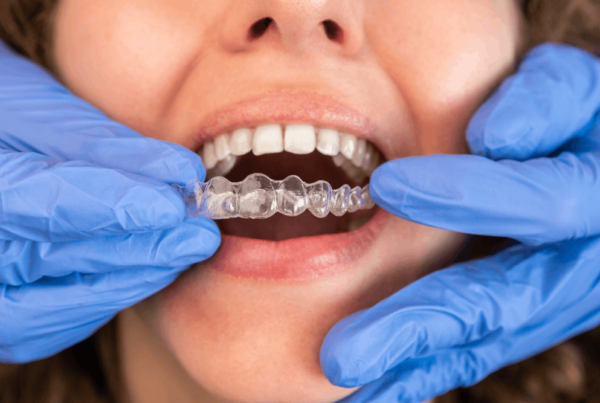
If you have a removable retainer after you’ve had Invisalign or another clear aligner system, you may need a dentist to check whether it still fits your teeth. This is because clear retainers are custom-made to fit your individual smile.
When can you wear your new retainer after composite bonding?
You should start wearing your new removable retainer as soon as you receive it from your dentist. Because composite resin is hardened immediately during your appointment, there is no waiting period before you can start wearing your retainer.
If you’ve had composite bonding with us in Preston and need a new retainer, here’s what you can expect:
3D teeth scan
We’ll take a scan of your teeth right after we’ve finished your composite bonding.
Preparing a new retainer
Your new retainer will be based on the updated scan of your teeth. You’ll be able to collect it from our practice within one to two weeks.
While you wait for your retainer
Our dental team will advise you on what to do before your new retainer arrives. In some cases, we’ll be able to trim the tight areas to help it fit better; however, depending on your dentist’s advice, you may sometimes be able to do without a retainer for a few days.
Putting in your replacement retainer
Once your retainer arrives, put it in right away. Your dentist will check that it fits snugly without putting pressure on your composite bonding or causing excessive tightness.
Getting composite bonding after teeth straightening
Once you’ve straightened your teeth, it’s natural to want to make your smile look the best you can and deal with other imperfections. Depending whether you’ve had braces or Invisalign, you may need to wait some time after composite bonding to allow your teeth to settle.
-
Fixed braces
If you’ve had fixed braces, you may need to wait from a few weeks to up to six months before having composite bonding. Your teeth may shift slightly in the months after your braces are removed. Additionally, fixed braces can sometimes cause mild gum irritation; waiting before composite bonding allows your gums time to recover.
Although we don’t offer fixed braces at Holly Dental, if you’ve had previous orthodontic treatment, you can order a new removable retainer to wear to keep your teeth in position.
-
Invisalign
You can have composite bonding after you’ve had Invisalign. We’ll usually be able to apply the composite resin at your final appointment; if possible, we recommend that you do this so that you can be sure your retainer will fit afterwards.
Which retainer works best after composite bonding?
At Holly Dental, we provide Vivera removable retainers, made by Invisalign from the same SmartTrack material used for their clear aligners. Both Vivera and Essix retainers are effective at keeping your teeth from drifting if worn consistently, and both retainers work well if you’re having composite bonding after your orthodontic treatment.
While Essix retainers cost less upfront, Vivera retainers tend to be more resistant to cracking, bending or wearing out early than other retainer brands. Vivera retainers are custom-made for your individual bite, and trimmed along the gumline for a comfortable fit. We’ll provide you with a set of 3 or 4 after you’ve finished your Invisalign treatment, so you can easily replace your retainer if it is lost or damaged.
Should I order another retainer after I’ve had composite bonding?
If you’re only having composite bonding applied to a single tooth’s edge or surface, you may not need a new retainer. However, if you’re having more extensive work done, it is likely you’ll need another retainer so you can be sure your teeth will fit. At Holly Dental, we recommend having composite bonding at your final Invisalign appointment with us in Preston, so that you can be sure your custom retainer fits your teeth.
If you’re interested in having your teeth straightened through Invisalign, or you’d like to explore composite bonding or our other cosmetic treatments, get in touch with our friendly dental team at our practice in Moor Park Avenue. We offer combined Invisalign and composite bonding consultations for a refundable £30 deposit.
Book your Invisalign and bonding consultation in Preston
Frequently asked questions
How much does a replacement retainer cost?
When you choose Invisalign at Holly Dental, we’ll include a set of 4 Invisalign retainers in the cost of your treatment; if you’re getting Invisalign with composite bonding, your retainers will be free.
If your retainers are damaged or lost, the cost of preparing a replacement retainer will vary based on your individual needs; after you come in for your digital scan, we’ll give you a full breakdown of the pricing.
Can I get composite bonding with a fixed retainer?
It’s usually possible to get composite bonding if you have a fixed retainer, as the wire will be behind your teeth and composite bonding is usually applied to the front or edges. However, many patients find removable retainers more convenient and comfortable, and with a fixed retainer there is some risk of plaque and tartar buildup around the wire.
How much is composite bonding in Preston?
Composite bonding starts from £298 per tooth. We offer free combined Invisalign and composite bonding consultations for a £30 deposit, refundable after your appointment. You can explore a full list on our fees page.
What foods should I avoid after composite bonding?
To avoid staining your composite resin and ensure your bonding lasts longer, you may wish to limit the following foods and drinks:
- Beetroot
- Turmeric
- Red wine
- Fizzy or sugary drinks
- Tomato based sauces
- Some berries
Cigarettes and other tobacco products can also stain composite bonding, in addition to other negative health impacts. If you smoke, we strongly advise you to consider giving up.
However, it is still important to eat a balanced diet and maintain an excellent oral hygiene routine, by brushing your teeth twice daily, flossing and using interdental brushes as advised by your dentist.